THE WEATHER
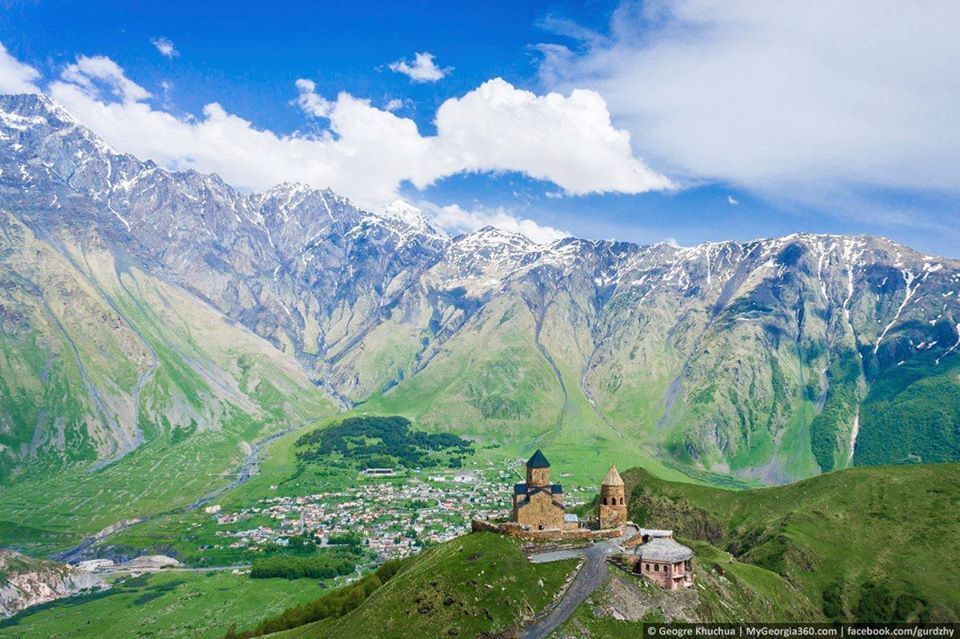
In the capital, Tbilisi, summer and autumn temperatures are warm with summer temperatures above 30˚c for most of July and August in the daytime and in the evening. Winters are generally quite dry and bright albeit cold and from November -March you will need a coat. April, May and June are warm but rainy and so a raincoat is strongly advised. The mountainous areas of Georgia can be considerably colder than Tbilisi even in July and August and so if you are planning on visiting Svaneti or Kazbegi for any length of time long trousers, hiking boots, a fleece and layers of clothing are necessary.
THE BEST TIME TO VISIT GEORGIA
Well, that depends on what you want to do…
If you are a hiker then the best months for hiking in the Great Caucasus are June to September.
If you want to catch the wine harvest then early autumn brings the festive wine harvest “rtveli” in Kakheti, East Georgia, from about 20 September to 20 October.Wine is also grown and harvested in West Georgia but harvests are later in the autumn with some harvests even in November.
If you are a skier or snowboarder then you can indulge yourself from December – March and on some of the higher slopes Eg. Svaneti you can board or ski through until April or May.
If you simply want to visit Tbilisi and the surrounding sites then you will find that Tbilisi is a year-round city as its mild climate make it possible to visit any time of the year.
EMERGENCY
In general, Georgia is a very safe country but it is always best to be prepared. In any kind of emergency you should call 112 and ask for the service you require.It is a good idea to keep a copy of your ID with you as if you do need assistance of any kind you will be required to provide your personal details.
MEDICAL EMERGENCY
If you need emergency medical assistance during your trip, dial 112 and ask for an ambulance. Contact your insurance/medical assistance company immediately if you are referred to a medical facility for treatment. The dispatcher speaks Georgian and Russian but will usually transfer the call to an English-speaking operator.
TRAVELLING WITH MEDICINES
Georgia has a very strict anti-drugs policy which also covers prescription and non-prescription medicines otherwise commonly available in the UK and the EU. For example, non-prescription medicines containing codeine are illegal in Georgia. This can cause serious problems for visitors and in some cases lead to administrative and criminal proceedings. Before travelling, check Georgia’s medication importation regulations on the Ministry of Health website.
If you intend to travel with prescription medicine, you must carry a doctor’s prescription and ideally the original packaging.
WHAT TO WEAR
There is no general dress-code or any other clothing limitations in Georgia, except for when you visit religious places like Churches or Monasteries. As a mark of respect women should cover their legs, head, and shoulders. Men are required to cover their legs so if you want to go into churches or monasteries it’s a good idea not to wear shorts on those days. Apart from that Georgia is largely less formal than Europe and the UK and you don’t often see men in jackets and ties.
MOBILE OPERATORS
In Georgia the following mobile operators provide communication services:MAGTI, GeoCell, Beeline
Can a tourist subscribe to a Georgian mobile operator?
Yes, foreign citizens can subscribe to any of the Georgian mobile operators. You will need ID or your passport for subscription.
What about access to wifi?
A lot of places (cafes, restaurants) have wifi and so you will be able to use Whatsapp/viber/etc. Hotels /hostels also have wifi.
If you are in Georgia for longer than a few days then a pay as you go sim card is an affordable and sensible option for local calls and internet connection.
CURRENCY
The Lari is the currency of Georgia. One Lari is divided into 100 tetri. Currently, banknotes of 1, 2, 5, 10, 20, 50, 100, 200 lari are in circulation. 100 and 200 bills are harder to spend except in bigger supermarkets so try to break these if you can.
Exchanging Money
You can exchange US dollars, Euro, Russian rubles in banks and exchange shops and banks. You can also change GBP but not all places change GBP or if they do they may offer a poor exchange rate. Exchange shops usually have a better rate than the banks. We can advise the best place to change GBP.
Can I take money out of a bank?
You can use an international bank card (eg. Visa/Mastercard) to take money out of an ATM for a small commission charge. You will receive money in Georgian lari. At the airport and in many bigger branches of Bank of Georgia and TBC Bank and in some larger hotels and supermarkets you can take money out of ATMs in USD or slightly more rarely in Euros. Different banks have different commission rates so it’s a good idea to check the bank’s commission rates before you take money out.
Banks are usually open on weekdays from 9:00-9:30 until 17:30 and some bigger branches on Saturdays; there are even some 24-hour banks. Check information online for your closest bank /ATMs and opening hours.
Most bigger hotels and restaurants and all supermarkets will take debit/credit cards. You can also use your international card with apps such as the Bolt taxi app and if you have a contactless card on public transport.
TIME ZONES
In Georgia they do not change the clocks in winter and summer. This means that in winter Georgia is GMT + 4 and in summer BST (British Summer Time) +3.
CAN YOU DRINK THE TAP WATER?
In Tbilisi the tap water is safe to drink. However, outside Tbilisi I would be inclined to drink bottled water which is widely available. If your visit is short I would recommend sticking to bottled water as different people’s stomachs can take time to get used to the water, although it’s fine for brushing teeth, etc. Bottled water in glass and plastic bottles is widely available.
EMBASSIES IN GEORGIA
The following foreign missions have embassies in Georgia:
UK, France, Germany, USA, People’s Republic of China, Ukraine, Iran, Turkey and many more.